AI Assistant for Dental Practices: Beyond the Receptionist
Most dental AI just answers phones. A real practice assistant handles recall, confirmations, treatment follow-up — the 90% your front desk can't reach.
TL;DR
The dental AI market is flooded with AI receptionists that answer phone calls. That's one task. A real AI practice assistant handles the other 90% — patient recall, appointment confirmation texts, treatment plan drafts, insurance verification prep, post-op follow-ups, and the daily operational load that keeps your front desk underwater. The difference: a receptionist handles incoming calls. An operations assistant handles the work your team doesn't have time for.
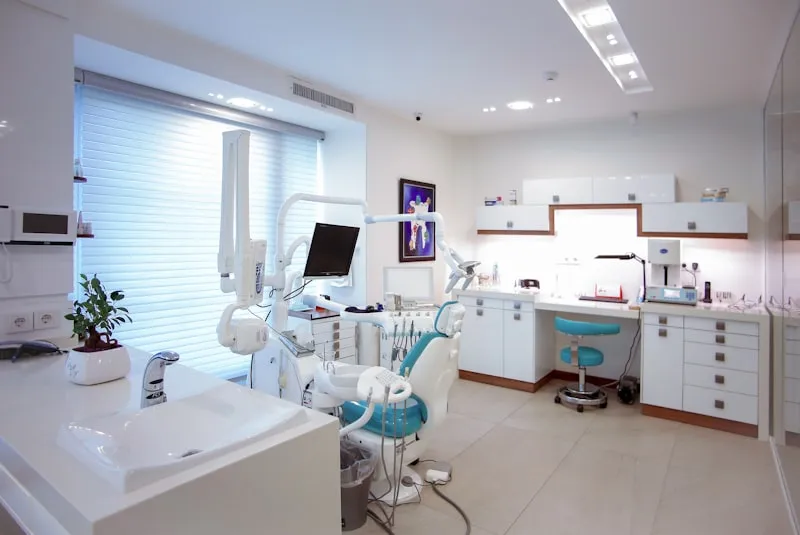
Every dental AI company is selling you the same thing: an AI receptionist that answers your phone.
That's not a bad product. Missed calls cost dental practices real money — a patient who can't reach you books with the dentist down the street. Answering the phone matters.
But here's the problem: answering the phone is one task. Your practice has fifty.
Your front desk is managing appointment confirmations, recall outreach, insurance verifications, treatment plan coordination, post-op follow-up calls, new patient paperwork, and end-of-day reconciliation — all while answering the phone, checking patients in, and collecting copays. The phone is 10% of the workload. The other 90% is what's actually drowning your team.
An AI receptionist solves 10% of the problem. An AI practice assistant solves the rest.
The Real Bottleneck in Dental Operations
Talk to any dental office manager and you'll hear the same story: they know what needs to happen, they just don't have time to do it. Industry research has documented this gap for years — the American Dental Association's 2023 Dentist Workforce Survey found front-desk and assistant staffing remains the #1 operational pain point cited by practice owners.
The hygiene recall list has 200 patients overdue for cleaning. Nobody's called them. Not because the team doesn't care — because they're buried in today's schedule and yesterday's paperwork.
The treatment plan from last week's exam? The patient said "let me think about it." Nobody followed up. Not because the team forgot — because 15 other patients said the same thing this month and there aren't enough hours.
The post-op instructions for the extraction? Sent as a generic PDF. No follow-up text the next day asking "how are you feeling?" because the team is already managing tomorrow's schedule.
These aren't failures of effort. They're failures of capacity. Your team is good at their jobs. They just have too many jobs.
What Does an AI Practice Assistant Actually Handle?
A practice assistant is trained on your practice — your patient communication style, your recall cadence, your treatment plan templates, your office policies. It handles the operational work your team knows needs to happen but can't get to.
Tap through the four highest-impact workflows below to see what these conversations actually look like.
The AI scans your patient list, identifies patients overdue for hygiene, periodic exams, or treatment, and sends a personalized text. Not a robocall. Not a generic mailer. A real conversation that ends with an appointment in your calendar.
Insurance Verification Prep
Before each day's patients arrive, the AI pre-checks insurance eligibility and flags issues. "Patient Chen's insurance expired last month — verify before appointment. Patient Williams switched from Delta to Aetna — update system."
Your front desk gets a clean list of issues to resolve instead of discovering problems at check-in.
How Is This Different From the AI Receptionists You've Seen?
The dental AI market is noisy. Here's the honest breakdown.
| Capability | AI Receptionist Tools | AI Practice Assistant |
|---|---|---|
| Answer incoming calls | AI Receptionist Tools: Yes | AI Practice Assistant: No — Not the focus Not the focus |
| Patient recall outreach | AI Receptionist Tools: No | AI Practice Assistant: Yes |
| Appointment confirmations + waitlist | AI Receptionist Tools: Partial — Some Some | AI Practice Assistant: Yes |
| Treatment plan follow-up | AI Receptionist Tools: No | AI Practice Assistant: Yes |
| Post-op follow-up sequences | AI Receptionist Tools: No | AI Practice Assistant: Yes |
| Insurance verification prep | AI Receptionist Tools: No | AI Practice Assistant: Yes |
| Trained on your practice voice | AI Receptionist Tools: No — Generic Generic | AI Practice Assistant: Yes |
| Memory across conversations | AI Receptionist Tools: No | AI Practice Assistant: Yes |
They're not competitors. They're complementary. Keep your AI receptionist for phone coverage. Add a practice assistant for everything else.
The same operations stack runs for independent insurance agencies and real estate teams — different workflows, same architecture.
The Numbers
back per month
From 10+ hours of calls to 1 hour of review
From 45 min/day to 10 min of exception handling
From 15 min/patient to 3 min review
Fully automated — 0 staff minutes
From 20 min/day to 5 min of flag review
That's a full work week your front desk gets back — or one less staff member you need to hire.
Revenue impact: recovering 3-5 patients/month from recall automation at $200-350/visit = $600-$1,750 in additional monthly revenue from one feature alone.
What This Isn't
- Not a practice management system. It works alongside your existing PMS (Dentrix, Eaglesoft, Open Dental, etc.), not instead of it.
- Not a clinical tool. It doesn't diagnose, prescribe, or make clinical decisions. It handles administrative and communication workflows.
- Not autonomous. Every patient communication goes through an approval gate until you trust the outputs. You review, you approve, it sends.
How to Start
If your front desk is spending more than an hour a day on confirmations, recall calls, and follow-ups — and your recall list keeps growing because nobody has time to work it — this system will pay for itself in month one.
The setup:
- Discovery — We map your practice workflows and identify where capacity bottlenecks cost you the most patients and revenue
- Build — We train the AI on your practice context — your communication style, your recall cadence, your treatment plan templates, your office policies
- Launch — Start with recall + confirmations (highest ROI, lowest risk). Add treatment plan follow-up and post-op sequences in month two.
- Optimize — Review outputs weekly for the first month, then shift to exception-only review as the system proves reliable
Setup time: 1-2 weeks. Your practice runs normally while we build.
Want the technical breakdown? See the AI follow-up architecture overview, the step-by-step GoHighLevel build guide, and why every minute of response delay costs revenue.
Sources
- American Dental Association, Health Policy Institute. Dentist Workforce Survey. 2023. (staffing as the top operational pain point for U.S. dental practices)
- Oldroyd, McElheran, and Elkington. The Short Life of Online Sales Leads. Harvard Business Review, March 2011. (the speed-of-response economics that apply to recall outreach)
Book a 15-minute discovery call → We'll audit your recall list and show you exactly how many patients you're losing every month — and what recovering even 10% of them is worth.
About the author
Cesar Taveras — Performance Marketing Manager & AI Solutions Builder
Performance marketing manager at Pimsleur (Simon & Schuster) and founder of AiMarketer Pro. Manages $2.5M+ annually in Meta Ads.
FAQ
Beyond answering phones (which most AI dental tools focus on), AI can automate patient recall outreach, draft and send appointment confirmation texts, prepare treatment plan summaries from your clinical notes, pre-fill insurance verification forms, send post-operative care instructions, manage your hygiene recall schedule, and produce end-of-day reports. The biggest impact is usually patient recall — most practices lose 20-30% of recare patients simply because nobody has time to follow up.
An AI receptionist answers incoming phone calls — it handles scheduling requests, basic questions, and routes calls. That's one function. An AI practice assistant operates across your entire practice workflow — patient recall, appointment reminders, treatment plan documentation, insurance pre-authorization, post-op follow-up sequences, and operational reporting. The receptionist is the front door. The assistant is the operating system.
For text-based communications (appointment confirmations, recall texts, post-op instructions), most patients neither notice nor care — the message arrives on time with the right information. For phone-based AI receptionists, voice quality has improved dramatically but some patients can tell. The approach we recommend: AI handles text/WhatsApp/email communications and appointment management. Humans handle phone calls that require clinical judgment or sensitive conversations.
AI receptionist-only tools run $200-500/month. A full AI practice operations system — recall, confirmations, treatment plan prep, insurance verification, post-op sequences — typically costs $1,500-2,500 for setup plus $200-400/month. For a practice seeing 20+ patients/day, the recall automation alone typically recovers 3-5 patients/month who would have been lost. At an average hygiene visit value of $200-350, the system pays for itself within the first month.
If your practice sees 15+ patients per day and has at least one front desk staff member who's overwhelmed, AI operations automation is ROI-positive. The question isn't whether you can afford it — it's how many recare patients are you losing because nobody has time to call them. Most practices we work with recover 3-5 lost patients per month from recall automation alone.
Related Articles
Ready to level up your marketing?
Book a free discovery call and see how AI can transform your results.